


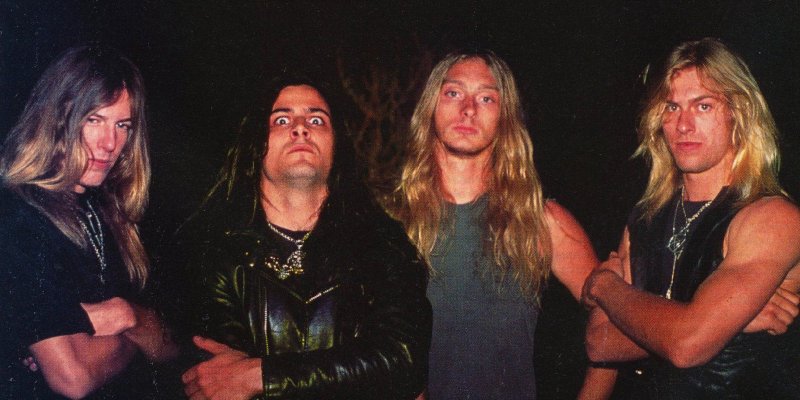
Former and Current Members of Deicide Exchange Public Statements Regarding Alleged Royalty Dispute
A public dispute has surfaced between former and current members of Deicide, drawing significant attention across the death metal community.
Former guitarist Eric Hoffman recently shared a statement on social media addressing alleged royalty and merchandise payment issues involving current members Glen Benton and Steve Asheim. The post outlines claims regarding royalty distributions, merchandise revenue, songwriting credits, and the circumstances surrounding the Hoffmans’ departure from the band.
According to the statement, Hoffman alleges that royalty payments and merchandise revenue from past releases were not properly distributed among all members. He also disputes public narratives suggesting that he and his brother Brian Hoffman voluntarily left the band, asserting instead that the situation involved unresolved financial and contractual disagreements.
The post includes strong language and personal accusations directed toward current members. As of this writing, there has been no formal legal ruling connected to these claims, and no official response has been issued publicly by Benton or Asheim addressing the specific allegations outlined in Hoffman’s statement. The statement was shared publicly via social media.
A Legacy With Deep Roots in Extreme Metal
Formed in Florida in the late 1980s, Deicide became one of the defining acts of early American death metal. The band’s early 1990s output helped cement the genre’s commercial and underground credibility, and the Hoffman era remains closely associated with the group’s formative sound and songwriting identity.
Lineup changes are not uncommon in long-running metal acts, particularly those with decades of touring, label relationships, and evolving creative directions. However, when disputes involving original or long-tenured members surface publicly, they often reignite broader conversations within the fan base.
The Business Side of Legacy Metal Bands
Disputes over royalties and intellectual property are not unusual in legacy bands, especially those that began during a period when contracts were structured differently than they are today. Issues can arise over:
Publishing versus performance royalties
Merchandise revenue distribution
Ownership of band trademarks and branding
Songwriting credits and mechanical royalties
In many cases, these matters hinge on contract language, label agreements, and long-standing business arrangements. Without access to those documents or a court ruling, outside observers are limited to the claims made publicly by the parties involved.
What Happens Next
At this stage, the situation remains a matter of public statements rather than confirmed legal proceedings. It is unclear whether formal legal action will follow or whether the dispute will be addressed privately.
Deicide remains active, and the band’s catalog continues to influence generations of extreme metal artists worldwide. Fans on both sides have taken to social media to express their opinions, underscoring how deeply the band’s history resonates within the scene.
We will continue monitoring the situation and provide updates should official statements or verified legal developments emerge.
SUBMIT YOUR BAND
Want airplay on Metal Devastation Radio, PR support through MDPR, or a shot at Tennessee Metal Devastation Music Fest?
Send your band name, location, and links (music + socials) to: zach@metaldevastationradio.net
We check every submission for radio rotation, PR campaigns, and live festival opportunities. If it fits, we’ll be in touch.