
STONEWIELDER: MARK WEEKS DISCUSSES THE PERSONAL STORY BEHIND “THE NEEDLE,” DOOM METAL ROOTS, AND THE POWER OF HEAVY RIFFS
The Stonewielder guitarist and vocalist joins Zach Moonshine on The Zach Moonshine Show to talk songwriting, musical influences, guitar gear, and the band's upcoming appearance at Delta Doomfest.
Some metal songs are written to tell stories about fictional worlds filled with demons, sorcery, and supernatural horrors. Others draw their darkness directly from real life. For Stonewielder, the latter approach is becoming an important part of the band's identity.
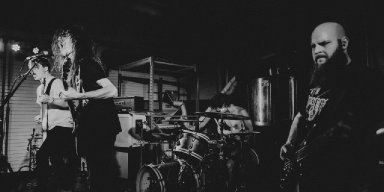
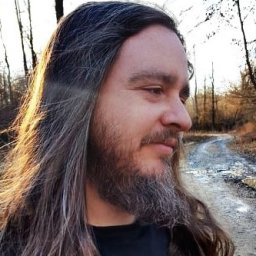
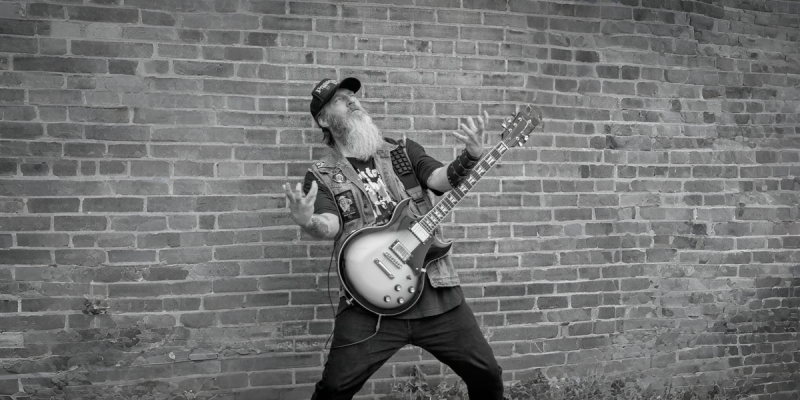
During a recent appearance on The Zach Moonshine Show with Metal Devastation Radio, Stonewielder guitarist and vocalist Mark Weeks joined Zach Moonshine for a conversation about the band's latest single, "The Needle," the personal experiences that inspired it, the band's musical evolution, and the gear behind its crushing sound.
The conversation covered everything from Black Sabbath and old-school thrash to solid-state amplifiers, underrated guitar pedals, and the band's upcoming performance at Delta Doomfest. But at the heart of it all was a discussion about turning real-world pain into heavy music.
“THE NEEDLE”: A PERSONAL STORY WITH A DARK MESSAGE
Zach opened the conversation by praising Stonewielder's latest single, "The Needle," describing it as a brutally heavy track with a dark atmosphere.
Mark agreed that the song stands out among the band's material, calling it his favorite song Stonewielder has released so far.
The track also carries a deeply personal meaning.
Mark explained that the song was inspired by his brother, who struggled with heroin addiction for years before ultimately losing his life to it. With his brother's birthday approaching, Mark found himself reflecting on that loss and decided it was time to turn those feelings into music.
Rather than simply writing lyrics about addiction, he wanted the song to tell a story through its musical progression.
The opening represents the period leading up to the central struggle. As the song develops, an eerie passage before the main solo represents the moment the character gives in. The solo itself represents the resulting euphoria, followed by a transition reflecting the trauma experienced by those left behind.
The outro solo represents the final journey into the unknown, leaving listeners to interpret what happens after death according to their own beliefs.
It's a heavy concept in every sense of the word.
Mark acknowledged that his brother's death happened years ago, but completing the song finally gave him a way to express something he'd carried for a long time.
Zach offered his condolences and pointed out how powerful it can be when musicians transform difficult experiences into art.
Sometimes, the heaviest music comes from places far beyond distortion pedals and down-tuned guitars.
REAL-WORLD HORROR INSTEAD OF FANTASY
The story behind "The Needle" also reflects the direction Mark wants to take with his songwriting.
He explained that the band has been discussing a lyrical approach centered on real-world pain and darkness. While Mark appreciates fantasy-driven metal and has nothing against songs about wizards, witches, and demons, he believes stories rooted in recognizable human experiences can connect with listeners in a different way.
Everyone has experienced pain, loss, betrayal, or some form of darkness. Those shared experiences can give a song an emotional weight that reaches beyond genre.
Stonewielder previously explored similar territory with "Burning Fire," a song about someone discovering their lover's infidelity and responding with murder.
These aren't necessarily comfortable subjects, but they're stories built around recognizable human emotions and the darker possibilities of human behavior.
For Stonewielder, that realism provides a foundation for songwriting that feels personal without requiring listeners to share the exact experiences that inspired it.
The result is music that doesn't just hit hard sonically. It gives listeners something to think about after the final note fades.
FROM GLAM ROCK AND COUNTRY TO BLACK SABBATH AND THRASH METAL
Every musician has an origin story, and Mark's musical upbringing took a few different turns before he found his place in the heavier end of the spectrum.
Growing up, he heard a mixture of glam rock, pop, and classic country. His mother played bands such as Cinderella, along with artists like Boy George, while his father listened to old-school country musicians, including Waylon Jennings.
At first, that was simply what music sounded like to him.
Then he met a schoolmate who introduced him to AC/DC, sharing albums such as Dirty Deeds Done Dirt Cheap and Highway to Hell .
That introduction opened the door to something heavier.
When Mark heard Black Sabbath's Sabbath Bloody Sabbath , he knew he had discovered something different. From there, his listening habits moved into thrash metal in the late 1980s, followed by death metal and some grind.
Despite exploring those heavier styles, certain influences remained constant.
Mark specifically mentioned Black Sabbath and the older Corrosion of Conformity material from before Pepper Keenan took over vocals as lasting influences.
That combination of heavy riffs, groove, and aggression makes sense when listening to Stonewielder. The band's sound isn't just about making everything as fast or extreme as possible. There's a deliberate weight to the riffs, giving the music room to breathe while still delivering plenty of punishment.
As Zach pointed out during the interview, that groove is one of the things that makes Stonewielder's music so easy to get into. It's the kind of heavy music that makes you want to crank the volume, move your head, and throw a fist in the air.
Some things never go out of style. A killer riff is one of them.
THE GUITARS, AMPS, AND PEDALS BEHIND THE SOUND
Naturally, the conversation eventually moved into gear territory.
Mark described himself as something of an amplifier addict, and his collection reflects a musician who enjoys experimenting with different equipment to find the right sound.
Among his guitars are a Heritage H-150, an Explorer, and a Kiesel. His amplifier lineup has included several classic designs, and he explained that he likes running two amplifiers simultaneously.
The idea is straightforward: one amp provides more of the sludgy low end, while the other delivers a tighter sound. Combining the two allows him to get the weight and definition he wants.
His current setup has also involved a Peavey-style solid-state approach through an Orange Super Crush, which has become a serious option rather than merely an emergency backup. Mark mentioned that he recently blew up his Friedman Jake E. Lee amplifier during a show, making the backup situation a little more interesting.
When Zach asked about the Super Crush, Mark made it clear that he believes the amplifier is capable of far more than its price might suggest.
He explained that some of his expensive equipment is simply stuff he couldn't afford when he was younger. Now that he owns it, he enjoys using it, but he doesn't believe players need expensive gear to achieve a great sound.
In fact, he said someone could use the Super Crush as their main amplifier and be perfectly happy with the results.
One experience helped convince him of that. Stonewielder had opened for The Obsessed, and Mark noticed that Lionel used a Super Crush as a backup for his Soldano amplifier.
That was enough to make Mark take the amp seriously.
As Zach pointed out, solid-state amplifiers have often suffered from a bad reputation, partly because many guitarists started out with inexpensive practice amps that didn't sound particularly good. That early experience can leave players assuming every solid-state amplifier is going to sound the same.
But modern equipment has given musicians plenty of reasons to reconsider those old assumptions.
Mark's approach is refreshingly practical: use what sounds good, experiment with your equipment, and don't assume an expensive price tag automatically means a better tone.
THE METAL ZONE GETS ITS DUE
The pedal discussion was just as entertaining.
Mark explained that when he uses fuzz pedals, he often treats them more like boosts than devices intended to create a completely fuzzy sound. He prefers using them to add a little character to an already crunchy amplifier.
For the recordings, he used a Desert Doom Masochist pedal extensively, alongside a variety of classic amplifiers.
His current pedal choices include a Boss HM-2, a Boss Metal Zone, an SD-1, and the Weed Metal pedal from Desert Doom.
That brought Zach and Mark to a subject that should be familiar to plenty of guitar players: the Boss Metal Zone.
Zach enthusiastically defended the often-maligned pedal, explaining that he likes using his as a clean boost in front of his Marshall amplifier.
Mark agreed with the approach, noting that the Metal Zone can add warmth to the mids, smooth out the sound, and bring harmonics to life.
The pedal has developed a reputation over the years, but plenty of guitarists have discovered that it can deliver excellent results when used in the right setup.
Mark also clarified that he owns the blacked-out standard Metal Zone rather than the Waza version, although his HM-2 is the Waza edition.
For speakers, Mark mentioned a Marshall JCM900 cabinet loaded with G12T-75 speakers. He likes how those speakers cut through a mix, helping his guitar sound remain prominent.
It's the sort of gear conversation that proves there's no single magic ingredient behind a great metal tone. It's about knowing your equipment, understanding what each piece contributes, and putting everything together in a way that serves the music.
WHERE THE NAME STONEWIELDER COMES FROM
The band's name has a connection to one of doom metal's legendary acts.
When Zach asked where Stonewielder came from, Mark revealed that it was inspired by Candlemass and their classic song "Black Stone Wielder."
He considered using the full phrase but decided that doing so would make the reference too obvious. Instead, he shortened it to Stonewielder.
Before forming the band, Mark had played in a group called Spellcrap, which explored a more melodic thrash and death metal direction. When he began working on this project, he wanted a new name that reflected the different musical territory he was entering.
The Candlemass inspiration provided the answer.
Mark even developed a humorous alternative explanation for people who asked about the name. Since stone means rock and the band plays rock music, they were simply wielding the stone.
It's a suitably ridiculous explanation, but it works. Sometimes a band name needs a little mystery, and sometimes it's just fun to mess with people.
Either way, the name fits a band drawing from the traditions of doom, sludge, and heavy riff-driven metal.
FROM YOUTUBE GEAR DEMOS TO A FULL-FLEDGED BAND
Stonewielder's story also has an interesting connection to Mark's other musical project.
Outside the band, he runs The Distortion Principle, a YouTube channel focused on gear demonstrations, particularly pedals suited to doom and stoner rock.
Mark has been making videos for approximately five to seven years and has built the channel to around 6,000 subscribers.
Interestingly, he explained that the channel helped bring Stonewielder into existence.
He would record short snippets of music for his videos, and viewers kept asking whether he had full versions of the songs available.
Eventually, the requests became difficult to ignore.
Rather than continuing to release isolated snippets, he decided it was time to put a band together.
That decision helped turn those musical ideas into the project listeners know today.
It's a good example of how one creative outlet can lead to another. What started as gear demonstrations and short musical experiments eventually became the foundation for a band with its own identity, original material, and growing schedule of live performances.
STONEWIELDER GEARING UP FOR DELTA DOOMFEST
The interview also looked ahead to Stonewielder's upcoming appearance at Delta Doomfest in Memphis.
Mark admitted that the festival's lineup was intimidating in the best possible way, with a collection of bands ready to bring their own brand of heaviness to the stage.
Among the acts he mentioned were Red Sun, Sermon, Pond Digger, Burnt Witch, Ruin God, and Acromancer.
He also gave a shout-out to Acromancer for stepping in and filling a spot on the bill.
Mark praised organizer James for the amount of work that had gone into putting the event together. He encouraged anyone still considering attending to get off the fence and make the trip, predicting a great show.
Stonewielder planned to perform "The Needle" and debut another new song during the festival.
That second new track would give fans an opportunity to hear fresh material live for the first time.
The band has been keeping busy with shows and songwriting, and Mark revealed that they already have three new songs that need to be recorded. With the first EP essentially completed, the band is already looking toward its next release.
For a group that continues to develop its sound while maintaining a steady live schedule, there appears to be plenty on the horizon.
NEW MERCHANDISE SUPPORT AND WHERE TO FIND THE BAND
Mark also shared some recent news about Stonewielder's merchandise.
Blackjack Metal Gear Shop has begun sponsoring the band and is stocking Stonewielder CDs, shirts, and other merchandise. Mark expressed his appreciation for the support and said the shop would be helping the band in additional ways.
It's another important step for an independent band working to build its audience and get its music into the hands of listeners.
Fans can find Stonewielder through its social media channels, Bandcamp, Spotify, iTunes, and other major streaming platforms.
Listeners interested in Mark's gear demonstrations can also check out The Distortion Principle on YouTube, where he discusses equipment and occasionally talks about Stonewielder.
Supporting independent bands means more than streaming a song once and moving on. Buying merchandise, attending shows, and spreading the word all help keep underground music moving forward.
KEEPING IT HEAVY AND KEEPING IT REAL
The conversation with Mark Weeks offered a look at the different elements that make Stonewielder an interesting band to watch.
There's the doom and sludge influence, the deep groove, the old-school metal roots, and the enthusiasm for experimenting with guitar gear. But there's also a more personal side to the songwriting, particularly on "The Needle," where a family tragedy became the inspiration for a song exploring addiction, loss, and the emotional aftermath of death.
Stonewielder isn't trying to reinvent the entire metal universe. The band is taking familiar heavy foundations and using them to tell stories that matter to its members.
That combination of crushing riffs and real-world subject matter gives the music a human element beneath all the distortion.
With new songs in development, live shows on the calendar, and another track ready to make its debut onstage, Stonewielder has plenty of work ahead.
And if Mark's enthusiasm for the music is any indication, he's nowhere near finished turning up the amps.
Watch for Stonewielder, check out "The Needle," and support the bands keeping the underground alive.
LISTEN TO THE FULL INTERVIEW
Hear Mark Weeks discuss the story behind "The Needle," Stonewielder's influences, guitar gear, the band's name, and what's coming next on The Zach Moonshine Show with Metal Devastation Radio.
Follow Stonewielder: Find the band on social media, Bandcamp, Spotify, and other streaming platforms.
Check out The Distortion Principle: Mark's YouTube channel featuring gear demos and equipment discussions for doom and stoner rock fans.
Keep it loud. Keep it heavy. Support the underground.
Full Track List:
Battle Of The Bands Top Six Winners:
1 - Trivan - CROWNED WITH DREAD AND POWER
2 - Soul Of Sheol - Paradise Is Not For Us
3 - Voidmaker - Of Digital Creation
4 - Solitary Sanity - Andromeda
5 - Andres Arcentales - ALIVE
6 - Klammteufel - Klammteufel
The Zach Moonshine Intro
7 - Tommy Stewart's Dyerwulf - My Politics Are My Own
8 - Power Trip - Precinct 3/Scavenger
9 - Down - The Myth/Blood Oath
Stonewielder - Interview featuring The Needle/Burning Fire
10 - Orange Goblin - Demon Blues
11 - Rwake - With Stardust Flowers (Live)
12 - Ghost Pipe - Wanderer
13 - Welcome Eternity - Reach The Dawn
14 - Zeal & Ardor - Devil Is Fine X Carpenter Brut
15 - Smoulder - Cathedral Of The Trees
16 - CARCERAL - Disobedience
17 - Witches Of God - Chasing Coffins/Where Dreams Go To Die
18 - Jumpscare - Call Of The Wild
19 - HELLUCINATION - An-Ode-to-Entropy
20 - Lordian - Dust Gospel
21 - Clutch - Binge and Purge
22 - Cursed In Eternity - Ashen Sky
23 - Candlemass - Well of Souls/Solitude (Live)
24 - Postluven - Abraxas
25 - Everything Dies - As I Wither
26 - Mercyful Fate - Come To The Sabbath/Black Funeral (live)
Full show streaming now on Mixcloud:
Check out the interview on YouTube, Spotify, Apple:
Support the band:
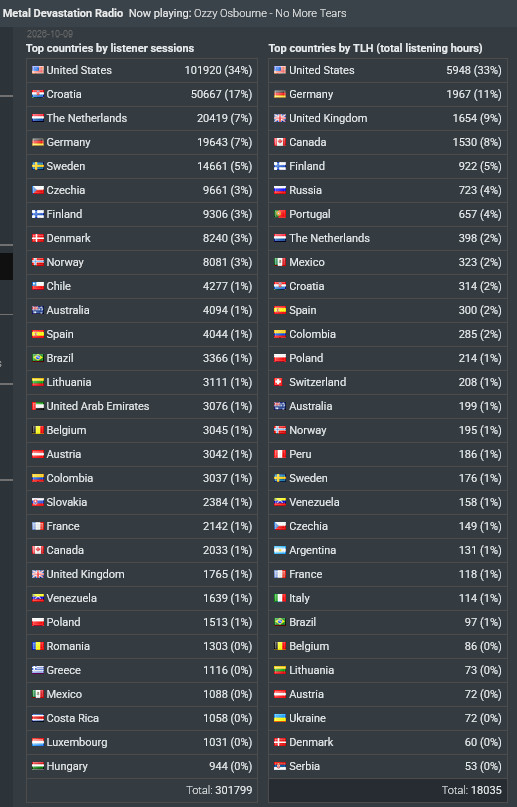
Super massive shout out and thanks to the 301,799 metal maniacs from around the world that tuned in to the live broadcast!
SUBMIT YOUR BAND
Want airplay on Metal Devastation Radio, PR support through MDPR, or a shot at Tennessee Metal Devastation Music Fest?
Send your band name, location, and links (music + socials) to: zach@metaldevastationradio.net
We check every submission for radio rotation, PR campaigns, and live festival opportunities. If it fits, we’ll be in touch.