


Choosing the right roofing material is one of the most important decisions a homeowner can make. The roof protects your home from weather conditions, contributes to energy efficiency, and plays a major role in overall appearance. Among the many roofing options available today, shingles for roofing continue to be one of the most popular and practical choices.
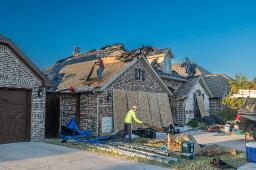
Shingles for roofing are widely used because they offer a balance of affordability, durability, and design flexibility. Whether you are building a new home or replacing an existing roof, understanding how roofing shingles work and what options are available can help you make a confident and long-lasting decision.
Key Takeaways
- Shingles for roofing are one of the most widely used and cost-effective roofing solutions.
- They are available in different materials, including asphalt, wood, metal, and composite.
- Each type of shingle offers unique benefits in terms of durability, cost, and appearance.
- Climate, budget, and maintenance requirements play a key role in choosing the right shingles.
- Proper installation and regular maintenance ensure long-term performance.
What Are Shingles for Roofing?
Shingles for roofing are flat or slightly curved roofing materials that are installed in overlapping layers. This layered design helps create a waterproof barrier that protects the structure from rain, wind, and sunlight.
Roofing shingles are typically installed from the bottom edge of the roof upward, allowing water to flow downward without penetrating the surface. Their lightweight structure makes them suitable for most residential buildings without requiring additional structural support.
Types of Shingles for Roofing
There are several types of shingles for roofing, each designed to meet different needs and preferences.
Asphalt Shingles
Asphalt shingles are the most commonly used type of roofing shingles. They are made from a fiberglass or organic base coated with asphalt and mineral granules. These shingles are affordable, easy to install, and widely available.
They perform well in moderate climates and typically last between 20 and 30 years. For homeowners looking for a budget-friendly solution , asphalt shingles are often the first choice.
Architectural (Dimensional) Shingles
Architectural shingles are a premium version of asphalt shingles. They are thicker and designed with multiple layers , giving them a more textured and visually appealing look.
These shingles offer better durability and wind resistance compared to standard asphalt shingles. They are suitable for homeowners who want a combination of performance and aesthetic value.
Wood Shingles
Wood shingles are a popular option among shingles for roofing , made from natural materials such as cedar or redwood. They provide a classic and traditional appearance that enhances the visual appeal of a home.
While these shingles for roofing offer good insulation, they require regular maintenance to protect against moisture, insects, and fire. They are best suited for homeowners who prioritize appearance and are willing to invest in upkeep.
Metal Shingles
Metal shingles combine the durability of metal roofing with the look of traditional shingles. They are made from materials such as steel or aluminum and are known for their strength and long lifespan .
These shingles are resistant to extreme weather conditions and are also energy-efficient, reflecting heat and helping reduce cooling costs . Although they have a higher upfront cost, they offer long-term value.
Composite Shingles
Composite shingles are made from a blend of materials such as fiberglass, recycled plastics, and asphalt. They are designed to mimic the appearance of natural materials like wood or slate while offering improved durability.
These shingles are low maintenance and resistant to cracking, fading, and moisture. They are suitable for homeowners looking for a balance between performance and design.
Comparison of Shingles for Roofing
Shingle Type
Cost Level
Lifespan
Maintenance
Best For
Asphalt Shingles
Low
20–30 years
Moderate
Budget-friendly homes
Architectural Shingles
Medium
30–40 years
Low
Premium residential use
Wood Shingles
Medium
25–30 years
High
Traditional aesthetics
Metal Shingles
High
40–70 years
Low
Long-term durability
Composite Shingles
Medium
30–50 years
Low
Modern homes
Benefits of Shingles for Roofing
Shingles for roofing offer several advantages that make them a preferred choice for homeowners.
Affordability
One of the biggest benefits of roofing shingles is their cost-effectiveness. They are generally more affordable than many other roofing materials, making them accessible for a wide range of budgets.
Ease of Installation
Roofing shingles are relatively easy to install compared to heavier materials like tiles. This reduces labor costs and installation time.
Versatility in Design
Shingles are available in a wide variety of colors, textures, and styles. This allows homeowners to match their roof with the overall design of their property.
Repair and Replacement
If a section of the roof is damaged, individual shingles can be replaced without affecting the entire structure. This makes repairs more convenient and cost-effective.
Factors to Consider When Choosing Shingles for Roofing
Climate Conditions
The local climate plays a major role in determining the best type of shingles. For example, metal shingles are ideal for extreme weather, while asphalt shingles work well in moderate conditions.
Budget
Homeowners should consider both the initial cost and long-term expenses. While some shingles are cheaper upfront, others offer better durability and require less maintenance.
Durability
Different shingles have different lifespans. Choosing a durable option reduces the need for frequent replacements.
Maintenance Requirements
Some shingles require more maintenance than others. It is important to choose a type that matches your maintenance preferences.
Common Mistakes to Avoid
- Choosing shingles based only on price
- Ignoring weather conditions
- Overlooking maintenance requirements
- Hiring inexperienced installers
- Not considering long-term durability
Avoiding these mistakes can help ensure better performance and longer lifespan.
Final Thoughts
Shingles for roofing remain one of the most reliable and versatile roofing options for homeowners. With a variety of materials available, they offer solutions for different budgets, climates, and design preferences.
By understanding the types, benefits, and key factors involved , homeowners can choose shingles that provide long-term protection and enhance the overall value of their property. A well-informed decision today can ensure a durable and efficient roof for years to come.


