


Food production has changed a lot over the years. Today, businesses are not only focused on taste but also on safety, consistency, and efficiency. Whether it is a restaurant kitchen, a school cafeteria, or a large food manufacturing unit, the demand for reliable cooking methods is higher than ever.
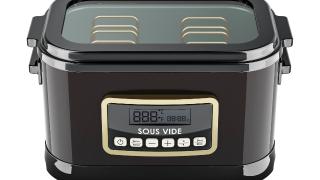
One method that has gained strong attention is sous vide cooking. At the center of this method is Sous Vide Equipment , which helps businesses achieve better results while maintaining strict food safety standards. This article explains why this equipment is important in modern food processing and how it supports high-quality food production on a large scale.
What Is Sous Vide Cooking?
Sous vide is a cooking method where food is sealed in airtight bags and cooked in water at a controlled temperature. Unlike traditional cooking, where heat can be uneven, this method ensures that food is cooked evenly from edge to center.
This technique is especially useful in professional kitchens because it removes guesswork. Chefs and food producers can control temperature precisely, which leads to consistent results every time.
Why Sous Vide Equipment Is Important
Consistency in Every Batch
One of the biggest challenges in food production is maintaining consistency. Customers expect the same taste and quality every time they eat a dish.
With Sous Vide Equipment , businesses can cook food at the exact same temperature and time in every batch. This means:
- Meat stays tender and juicy
- Fish is perfectly cooked without drying out
- Poultry remains safe and flavorful
Consistency is not just about taste—it also builds trust with customers.
Better Food Safety
Food safety is a major concern, especially in large-scale production. Improper cooking can lead to serious health risks.
Sous vide systems help improve safety by:
- Cooking food at controlled temperatures
- Reducing the risk of undercooking
- Minimizing contamination through sealed packaging
This makes Sous Vide Equipment a reliable choice for industries that must follow strict hygiene standards.
Extended Shelf Life
Another key advantage is the ability to extend shelf life. Since food is vacuum-sealed and cooked in a controlled environment, it lasts longer compared to traditional methods.
This is especially useful for:
- Food manufacturers
- Catering services
- Meal prep businesses
Longer shelf life reduces waste and helps businesses save money while maintaining quality.
How It Supports Modern Food Processing
Efficiency in Large-Scale Operations
In large kitchens or factories, time and efficiency are critical. Traditional cooking methods often require constant attention and skilled labor.
With Sous Vide Equipment , processes become more streamlined. Once the food is prepared and placed in the system, it cooks without constant monitoring. This allows staff to focus on other tasks, improving overall productivity.
Reduced Food Waste
Food waste is a common problem in the industry. Overcooking, burning, or uneven cooking often leads to wasted ingredients.
Sous vide cooking reduces waste by:
- Preventing overcooking
- Preserving natural juices
- Allowing precise portion control
This makes it a smart investment for businesses looking to improve sustainability.
Energy Efficiency
Modern food processing also focuses on energy use. Traditional ovens and grills can consume a lot of power.
Sous vide systems use controlled heating, which can be more energy-efficient over time. This not only lowers energy bills but also supports environmentally friendly operations.
Applications in Different Industries
Restaurants
Restaurants benefit greatly from using Sous Vide Equipment . It allows chefs to prepare food in advance and finish it quickly during service.
This results in:
- Faster service
- Consistent dishes
- Better kitchen workflow
Even during busy hours, quality remains the same.
Food Manufacturers
For food production companies, consistency and safety are top priorities. Sous vide systems help them produce large quantities of food without compromising quality.
They can prepare:
- Ready-to-eat meals
- Pre-cooked meat products
- Packaged food items
This method ensures that every product meets the same standard.
Schools and Institutions
Schools and large institutions need to serve food to many people daily. They require methods that are safe, efficient, and easy to manage.
Using Sous Vide Equipment , they can prepare meals in bulk while maintaining hygiene and quality. It also reduces the risk of foodborne illnesses, which is critical in such environments.
Key Features to Look For
When choosing sous vide systems for commercial use, certain features are important.
Temperature Control
Precise temperature control is the heart of sous vide cooking. Good equipment allows accurate settings to ensure perfect results.
Durability
Industrial kitchens need strong and reliable machines. Equipment should be built to handle heavy use over long periods.
Capacity
Large-scale operations require systems that can handle high volumes of food at once. Choosing the right size is essential for efficiency.
Ease of Use
Simple controls and easy operation help staff use the equipment without confusion. This reduces training time and improves productivity.
Improving Food Quality
Better Texture and Flavor
One of the main reasons businesses switch to sous vide is the improvement in food quality.
Since food cooks slowly and evenly:
- Meat becomes more tender
- Flavors stay locked inside
- Moisture is preserved
This results in dishes that taste better and look more appealing.
Uniform Cooking
Traditional cooking methods often lead to uneven results. Some parts may be overcooked while others remain undercooked.
With Sous Vide Equipment , every part of the food is cooked evenly. This uniformity is important for both taste and presentation.
Cost Benefits for Businesses
Lower Labor Costs
Since sous vide cooking requires less monitoring, businesses can reduce the need for constant supervision. Staff can manage multiple tasks at once, which improves efficiency.
Reduced Losses
Less food waste and fewer cooking errors mean fewer losses. Over time, this can lead to significant cost savings.
Long-Term Investment
While the initial cost of Sous Vide Equipment may seem high, it pays off in the long run through improved efficiency, better quality, and reduced waste.
Challenges and Considerations
Initial Setup Cost
One of the main concerns for businesses is the upfront investment. However, the long-term benefits often outweigh the cost.
Training Staff
Although the system is simple, staff still need basic training to use it properly. This ensures that the equipment is used effectively.
Time Factor
Sous vide cooking can take longer than traditional methods. However, this is usually balanced by the ability to prepare food in advance.
The Future of Sous Vide in Food Processing
The food industry continues to evolve, and technology plays a big role in this change. Sous vide is becoming more common not just in high-end restaurants but also in everyday food production.
As businesses focus more on:
- Food safety
- Efficiency
- Consistency
the use of Sous Vide Equipment is expected to grow even further.
Innovations in design and technology will likely make these systems even more accessible and efficient in the future.
Conclusion
Modern food processing demands high standards in quality, safety, and efficiency. Traditional cooking methods often fall short when it comes to large-scale production.
This is where Sous Vide Equipment makes a real difference. It offers precise control, consistent results, and improved food safety. From restaurants to large manufacturing units, its benefits are clear and practical.
By reducing waste, saving time, and delivering better food quality, sous vide has become an essential part of modern kitchens. Businesses that adopt this method are better equipped to meet the growing demands of today’s food industry while maintaining high standards every step of the way.


